Bristol Clamshell Course
Course Objectives
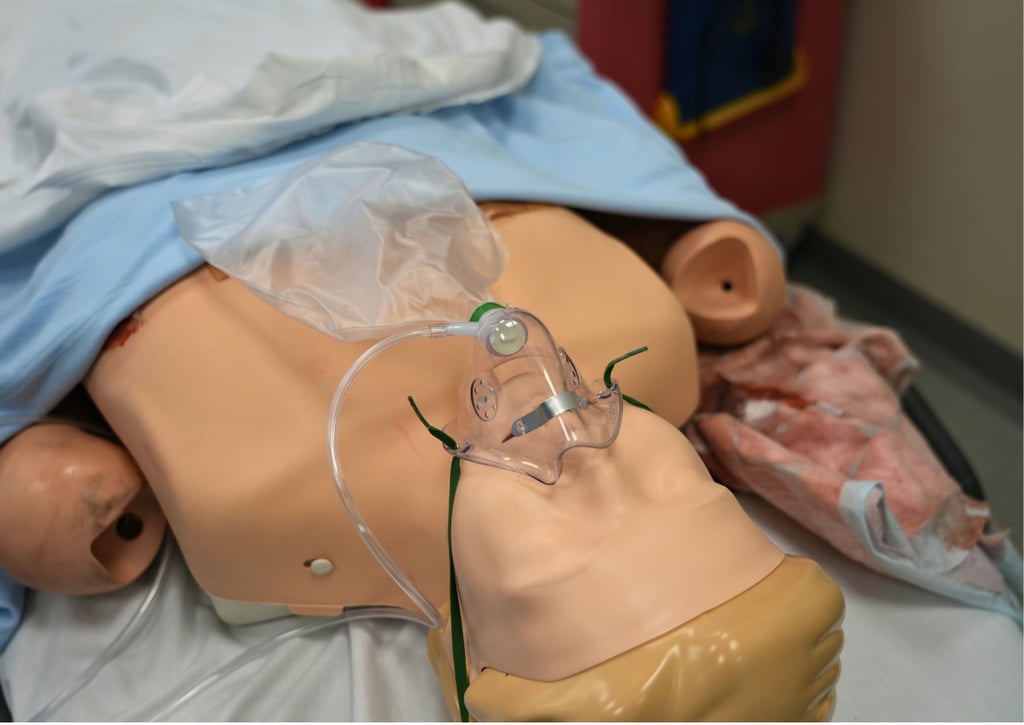
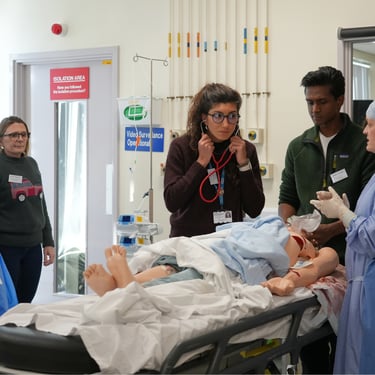
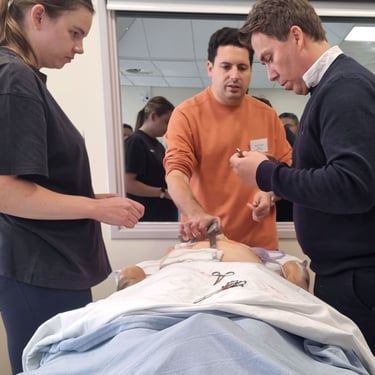
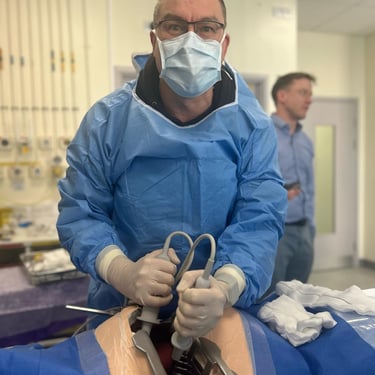
The Bristol Clamshell Course provides an overview of the current evidence based practice relating to resuscitative thoracotomy in traumatic cardiac arrest. The course examines the technical and non-technical when performing a resuscitative thoracotomy in the Emergency Department. This simulation-based course focuses on the wider human factors, decision-making, and non-technical skills involved in managing penetrating and blunt chest trauma.
The course was developed in response to the rise in serious knife crime related injuries seen across the region. Exploring the vital steps in the chain of survival, focusing on the four Es of resuscitative thoracotomy as recommended by the European Resuscitation Council; Expertise, Equipment, Environment and Time Elapsed.
Candidates should have completed either the European Trauma Course or ATLS before attending this course. The course is designed for senior clinicians (ST4+) from the multidisciplinary trauma team.


Equipment Familiarisation
Understand and familiarise yourself with the equipment needed to perform a resuscitative thoracotomy.
Structured Approach to Resuscitative Thoracotomy
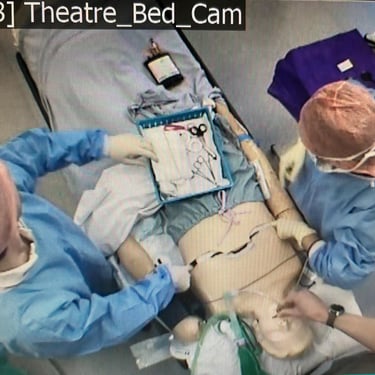
Create a structured approach to Emergency Resuscitative Thoracotomy in traumatic cardiac arrest within the emergency department. This includes implementation of life saving interventions prior to thoracotomy.
Key Skills in Resuscitative Thoracotomy
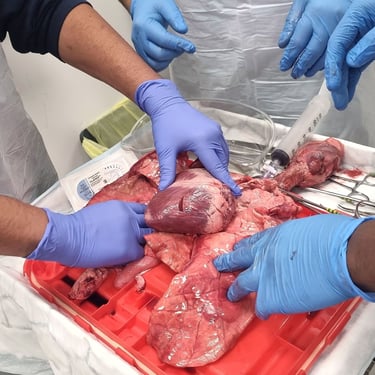
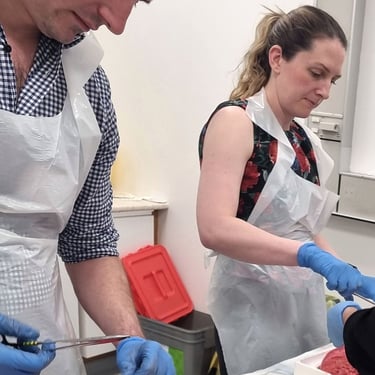
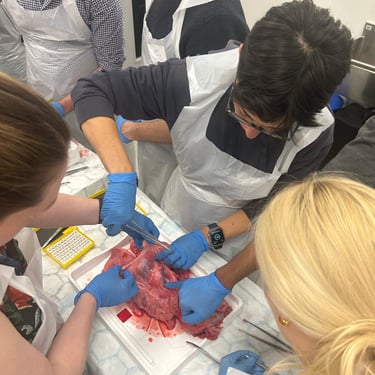
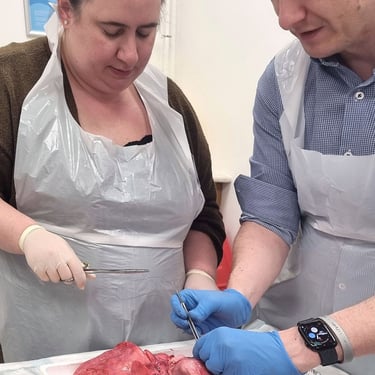
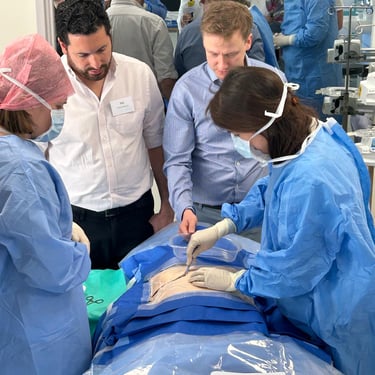
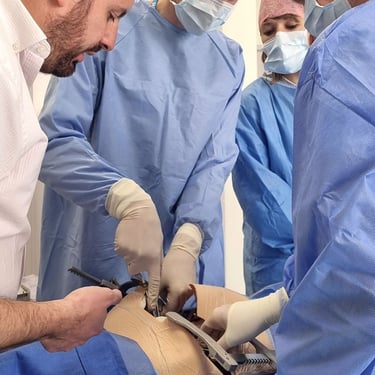
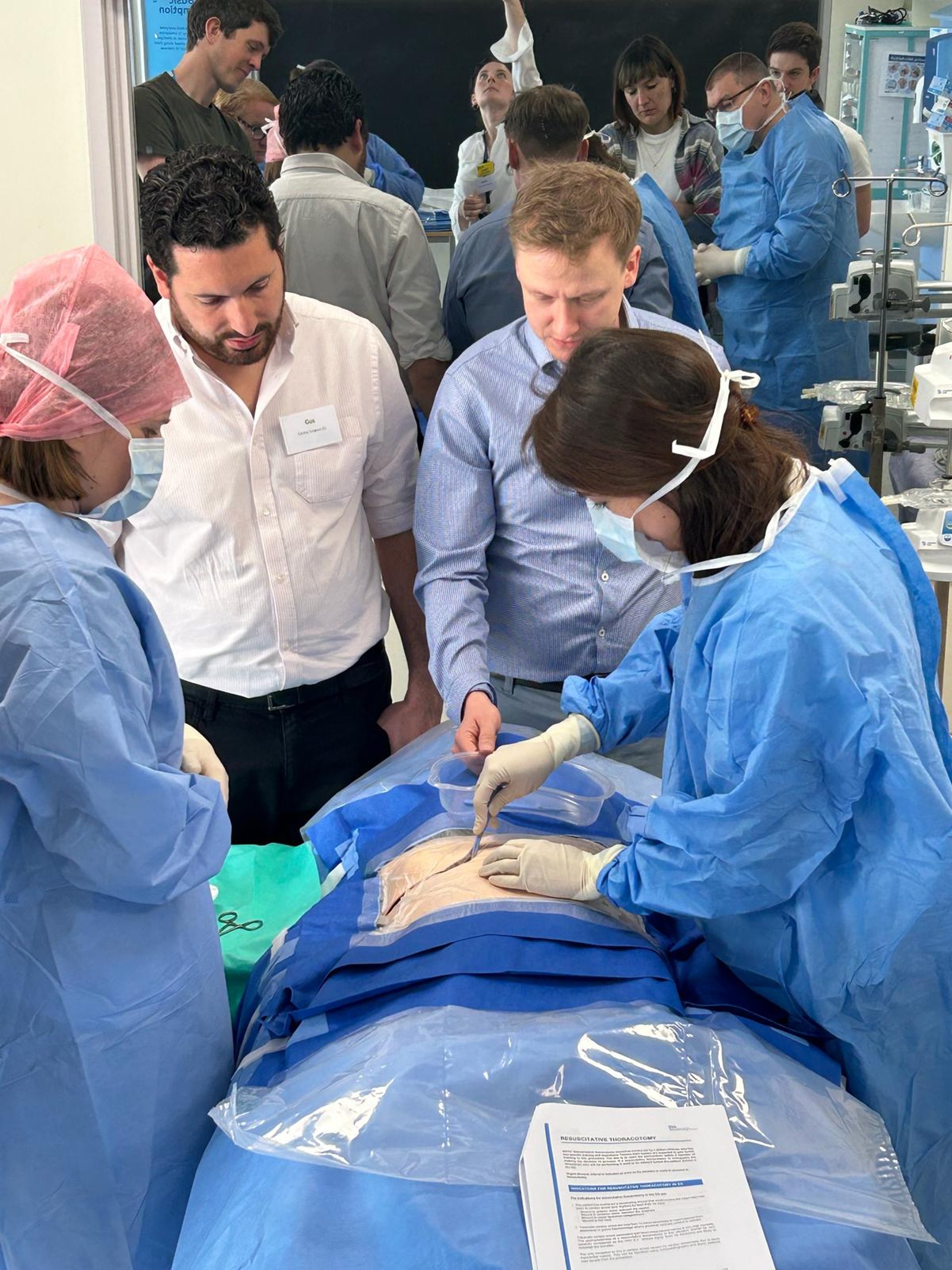
Understand how to perform a resuscitative thoracotomy and practise relevant key skills including on wet lab tissue specimens.
Consideration of Non-Technical Skills
Encompasses considerations of structured decision-making principles, and promotes the enhancement of key non-technical skills including leadership and active followership.
Key Skills: Areas of Focus


Management of a Penetrating Injury of the RV
Suturing of the right ventricle and use of foley catheter to aid control of catastrophic haemorrhage.
Management of a Hilar Injury
An overview of different methods of management of a hilar injury such as hilar twist and aortic clamp use.
Pericardiotomy
Surgical release of a cardiac tamponade.
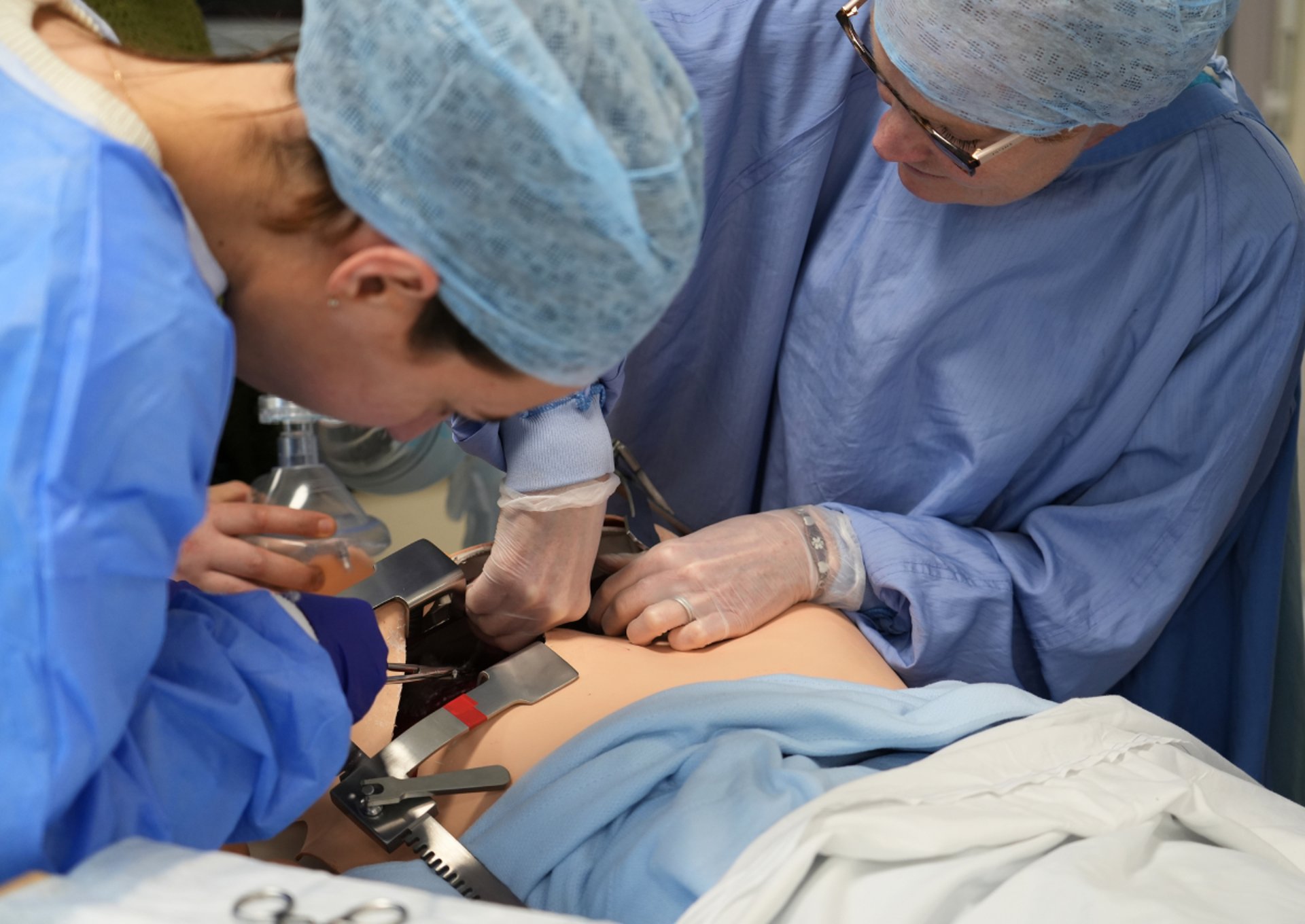
Performing a Clamshell Thoracotomy
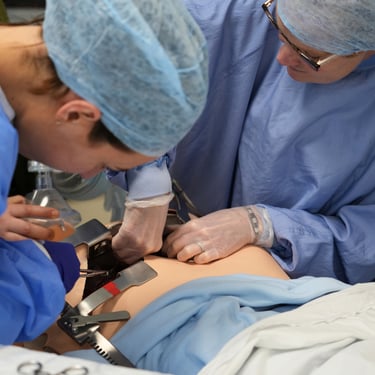
Overview of the anatomical landmarks, safely performing a clamshell incision.
Key Skills relevant to Resuscitative Thoracotomy covered by this course include:
Internal Cardiac Massage and Defibrillation
Perform effective internal cardiac massage and safe defibrillation using internal paddles.
Course Schedule


Please note timings and workshops are subject to change from this sample course schedule.
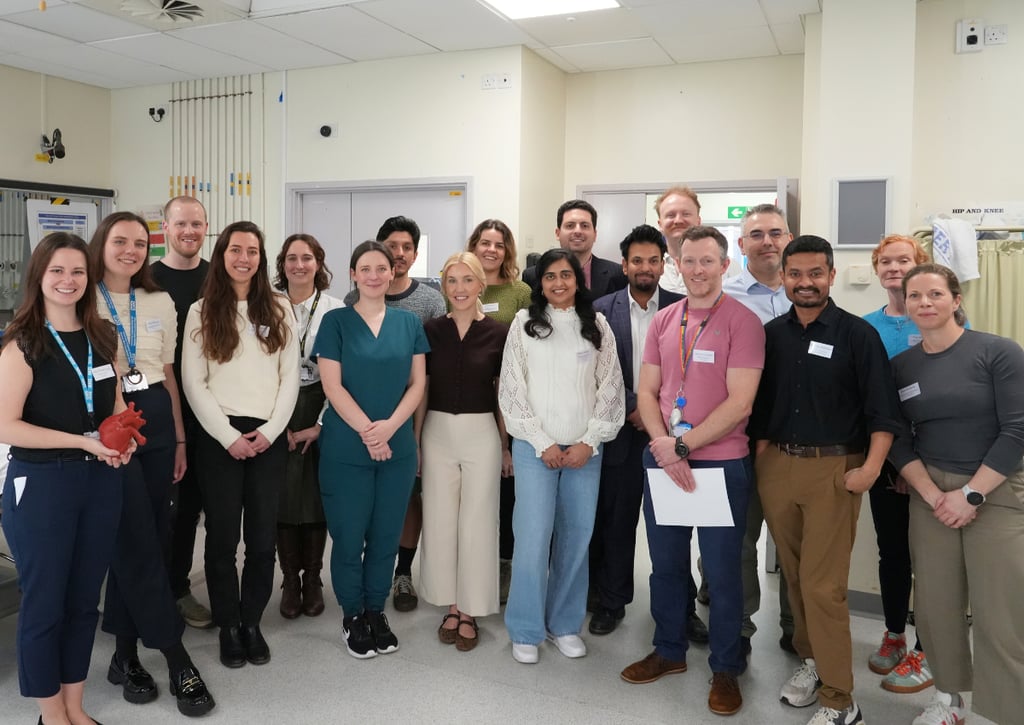
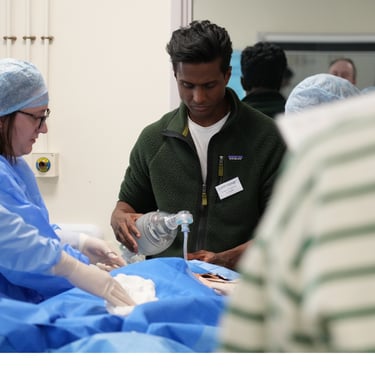
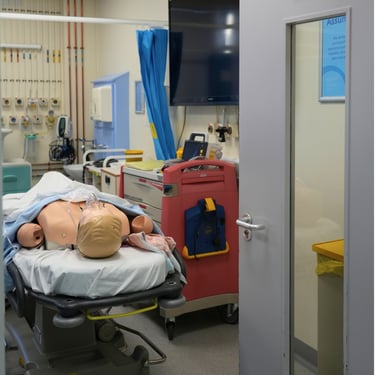
Registration open at 8am in the UHBW Simulation Centre. Lectures start promptly at 8:30am, and the day ends at 4:30pm. Lunch and refreshments will be provided throughout the day, please ensure that the clamshell team have your dietary requirements. The course is a busy day of short lectures, clinical skills stations including wet lab learning, and a series of immersive simulation scenarios. You will receive access to e-learning which will prepare you for the day, electronic resources can be viewed here and your course handbook will be given to you on arrival. Please dress comfortably for simulation and wet lab work.
Check out our FAQs for information about what to expect on the day.
Past Course Feedback
"Good workshop for getting to know how to handle thoracic injuries that need more advanced interventions than what's taught in other trauma courses."
Senior ED Registrar
University Hospitals Bristol and Weston Trust
"This was a fantastic course with relevance to both senior registrars and consultant level clinicians in a range of disciplines."
Anaesthetic and ICU Consultant
North Bristol Trust
"These were excellent moulages. Extremely valuable learning experience."
General Surgical Registrar
Glouchestershire Hospitals NHS Foundation Trust
"It was great to have exposure to some more nuanced, less clear cut cases that are a bit more realistic."
General Surgical Registrar
Royal Cornwall Hospital NHS Trust
"Excellent course, really enjoyed it and learnt a lot."
Senior Advanced Critical Care Practitioner
University Hospitals Bristol and Weston Trust
"Thank you for running this excellent course!"
Senior Anaesthetics Registrar
University Hospitals Bristol and Weston Trust