FAQs
Frequently Asked Questions.
Where is the course held?
The course is held at the UHBW simulation centre in Bristol, find more information about our location, how to find us and where to park here.
What time does the course start?
Registration opens at 8:00 and the course finishes at 16:30.
Who teaches on the course?
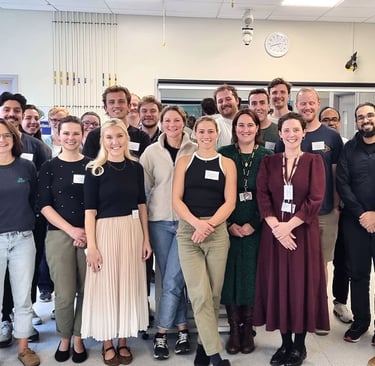
We are lucky to have a range of experienced faculty teaching on the Bristol Clamshell course. This includes consultants, senior trainees and advanced nurse practitioners from EM, PEM, ICU, Anaesthesia, General and Cardiothoracic Surgery. We always have a consultant cardiothoracic surgeon on the faculty for expert advice and guidance.
Is the course suitable for paediatric nurses and doctors?
Yes! The course is appropriate for clinicians working in paediatric acute specialities. We do included paediatric cases in the moulages, in a relevant and inclusive way. We are also lucky to have experienced PEM consultants on our faculty.
What is the wet lab station?
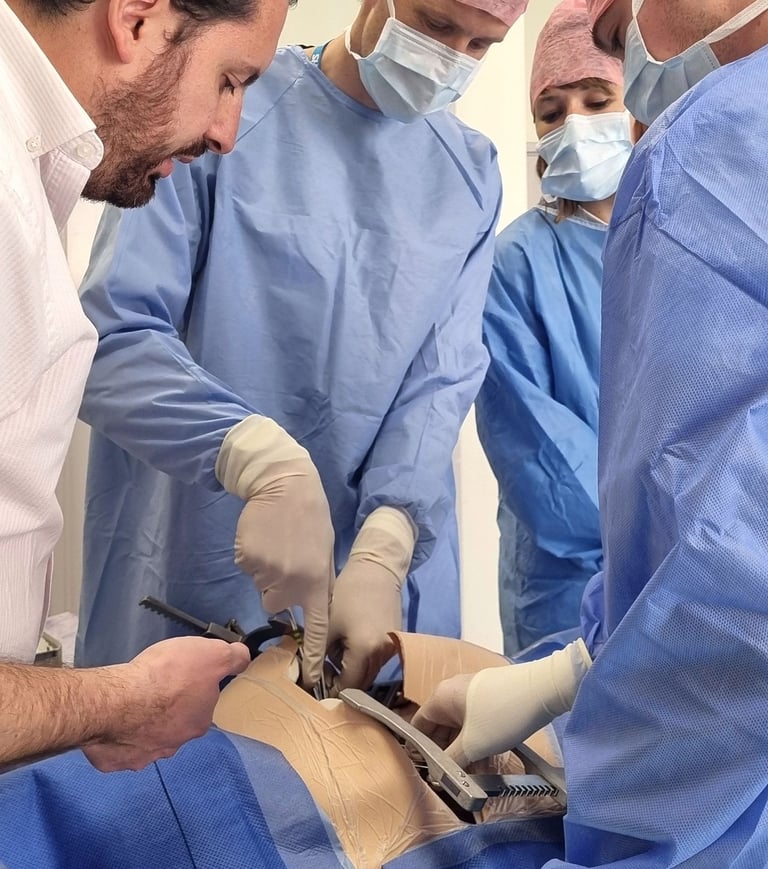
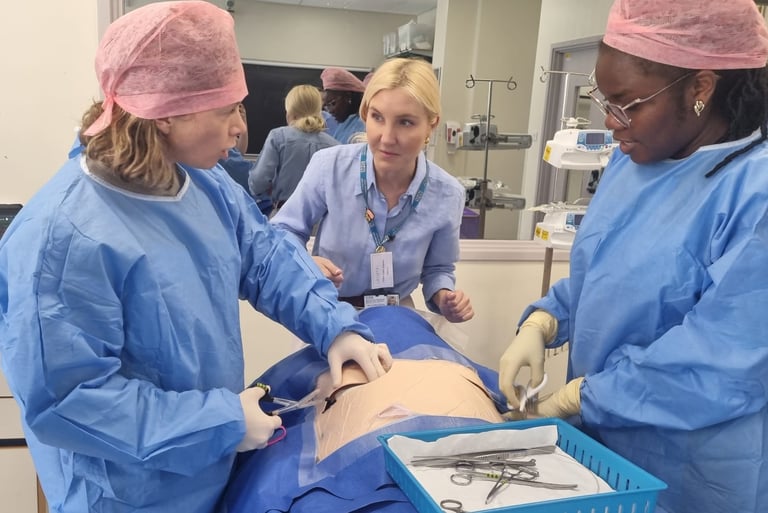
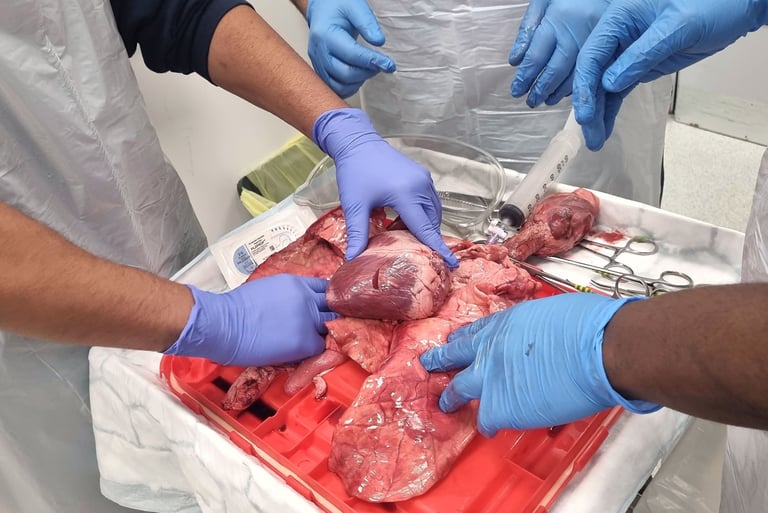
The wet lab station involves handling of pig lung and heart blocks, to practice repair of possible injuries. This meat is provided by a specialist medical meat supplier. Information regarding safe handling and risks will be provided on the day. Candidates may choose to observe and ask questions rather than handle the meat, and that's fine!
What should I wear?
Wear something comfortable and easy to move in, you will be partaking in a lot of simulated scenarios throughout the day. You will also be doing hands on wet lab stations with medical meat, so please bear this in mind.
How can I access the e-learning?
Your e-learning instructions will be sent to you six weeks before the course date. You will receive a code to enter directly on the CARE learning portal. If you have difficulty accessing the e-learning content, please try this link and enter your code. If you still have difficulties please email CARE directly. linsey.woodhouse@csu-als.org
When will I receive my handbook?
Your course handbook will be available to collect at registration on the date of the course. All of the handbook content is covered in your e-learning. You can also review our candidate resources here.
When will I receive my certificate?
Your certificate will be sent to you within two weeks of attending the course. If you have not received an email after 14 days, please contact us.
Can I have a receipt for expenses?
You will have received an automatic receipt at the time of purchase, delivered to your email. You can use this for expenses claims.
I'm interested in becoming faculty.
If you are interested in becoming clamshell faculty, please approach a member of the clamshell team at the beginning of the day and express your interest. The course team will reach out to you directly if you have been recommended as an instructor. Please note that we may not always be recruiting for faculty.
How is the course accredited?
This course is developed and managed by CARE and is sister course to Cardiac Advanced Life Support (CALS). We use current evidence and best practice guidance from the European Resuscitation Council, RCEM, RCOA and CARE in the course content.
Is the course suitable for nurses?
The course welcomes candidates from Band 6+ nursing backgrounds. When booking your place, please choose the best fit of speciality. This course runs best when there is MDT representation, we are all part of the receiving trauma team.
I can no longer attend, can I cancel?
You can cancel if the course is more than six weeks away and you will receive a full refund. If the course is less than six weeks away, we will need to fill your place. Please email us using the contact page. If you have a colleague that can take your place that will help!
I do not have study leave budget, but I'd like to attend.
If you are a nursing colleague band 6+, please take a look at our clamshell bursaries, there are two fully funded bursaries available per course. For doctors, please check your approved course list and if in doubt contact your school administrator. This course is approved for ST4+ trainees from anaesthesia and ICM.